Chelsea Clinton Admits That She Tested Positive For See More
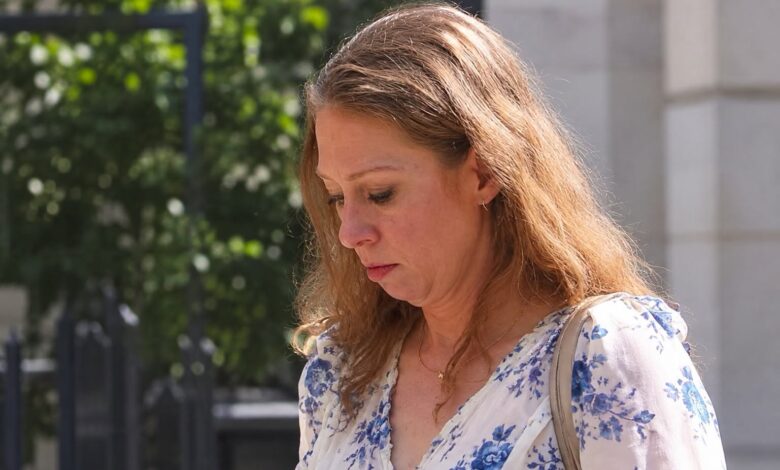
Chelsea Clinton’s world just changed in a way no one saw coming. In less than half an hour, a single confirmation pulled her from the edges of public life and thrust her into the harshest possible spotlight. Allies are scrambling, critics are circling, and the Clinton legacy has been dragged back into the storm. What Chelsea faces now could redefine not just her own path, but how the country remembers her family’s name. The next steps, the next words, the next decisions—every one of them carries risk.
The source teaser does not identify what test produced a positive result. That missing detail is essential. A positive test can refer to an infection, an allergy, a screening marker, or many other medical findings. Without a direct statement, date, and explanation, readers cannot responsibly infer a diagnosis from the headline alone.
Chelsea Clinton has lived in public view since childhood. As the daughter of Bill and Hillary Clinton, her personal news often becomes part of a much larger political conversation. Health information can be especially sensitive because it concerns an individual rather than a campaign or policy debate. Public recognition does not erase the need for accurate attribution and respect for privacy.
When a person says that she has tested positive, the best source is the person’s complete statement or a verified representative. A short excerpt may omit whether the result was preliminary, whether a second test was performed, or whether symptoms were present. It may also be old material recirculated without a date.
Readers should avoid assuming that the reaction described in a teaser reflects the actual response of family members, political allies, or medical professionals. Phrases about people “scrambling” or a legacy being redefined are dramatic interpretations. They are not substitutes for named sources or documented events.
Responsible health reporting explains what is confirmed and what remains unknown. It avoids stigmatizing language, does not speculate about treatment, and makes clear when medical guidance comes from general experts rather than the individual’s physician. If the condition could affect others, official public health advice should be linked separately from personal commentary.
The speed of social media rewards suspense, but medical news benefits from clarity. A headline ending in “see more” may encourage clicks while withholding the fact that determines the meaning of the story. Before sharing, readers can search for the exact quotation, check the publication date, and look for reporting that names the test.
Until those details are available, the most accurate conclusion is limited: a post claims that Chelsea Clinton disclosed a positive test, while the provided teaser does not say what the test was. Any stronger claim would go beyond the available source. Her health, like anyone’s, should be discussed with care and on the basis of verified information.
The distinction between confirmed disclosure and an incomplete teaser protects both the subject and the audience. It reduces the chance that a rumor becomes attached permanently to a person’s name, and it helps readers find the information they actually need. If Chelsea Clinton later publishes a full statement, that document should guide any update. Until then, repeating the narrow facts and acknowledging the missing detail is more informative than guessing. Health stories do not become stronger through suspense; they become stronger through exact language, reliable sourcing, and respect for the person at the center of the report.