Father k!lls Family Just Because They Did It See More
Christian, your life is not your own. This year, time itself feels like it’s holding its breath. A hidden war is raging: between a Father who will not stop calling, and a world sinking into noise, violence, and despair. You feel it in your fatigue, your guilt, your restless scrolling. This Lent is not “just another season.” It is a last, burning invitation.
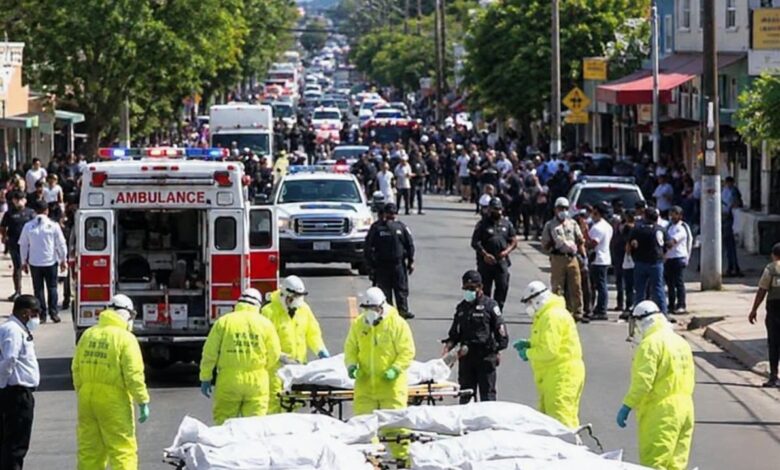
The linked teaser does not match the Facebook caption’s claim about a father killing his family. It provides no names, location, date, police statement, or court record. Because the alleged event involves homicide and identifiable family relationships, it would be irresponsible to invent those details or attach the claim to a real family without reliable confirmation.
Family homicide stories require unusually careful reporting. Early accounts may rely on neighbors, social posts, or incomplete police information. Authorities may still be determining who died, the sequence of events, and whether there is an ongoing threat. Reporters should clearly separate confirmed findings from allegations and avoid presenting a possible motive as established fact.
The wording “just because they did this” reduces a complex and devastating event to a single provocative trigger. Violence is the responsibility of the person who commits it. Family members should never be blamed because of an argument, a separation, financial stress, or another event that preceded the attack.
Coverage should also consider surviving relatives. Graphic descriptions, private messages, and images of children can compound trauma. Names should be published only after authorities have made notifications and reliable identification is available. Sensational wording may attract attention, but it can distort the facts and turn victims into props for a suspenseful story.
Domestic violence specialists emphasize patterns such as threats, coercive control, stalking, isolation, escalating intimidation, and access to weapons. No single sign predicts every tragedy, yet concerning behavior should be taken seriously. People who feel in immediate danger should contact local emergency services and seek help from trusted professionals or domestic violence organizations.
Friends and relatives can support someone by listening without judgment, helping with a safety plan, storing important documents, or arranging transportation. Confronting an abusive person without a plan can increase risk, so guidance from trained advocates is valuable.
Readers encountering a vague post should search for reporting from the relevant local authorities and established newsrooms. If no location or name is given, the claim may be recycled, misleading, or impossible to verify. Sharing it can expose unrelated people to rumor and cause unnecessary fear.
The source passage’s spiritual appeal can offer comfort to some readers, but it does not substantiate the crime described in the caption. Faith, community support, and reflection may be part of healing, while factual accountability still depends on evidence. Until verified information identifies the case, the responsible response is to avoid speculation, center the safety of potential victims, and treat the subject with care.
If a confirmed case later emerges, coverage should be updated with the location, official source, identities released by authorities, and information useful to the community. Corrections should be prominent if early reports were wrong. The goal is not to drain emotion from a tragedy but to keep that emotion from overwhelming truth and safety. Families affected by violence deserve to be remembered as people, not as the answer to a cliffhanger. Clear sourcing, careful language, and access to support services make the report more useful while reducing the risk of further harm.