When Something Precious Is Damaged How Patience Can Lead to Restoration
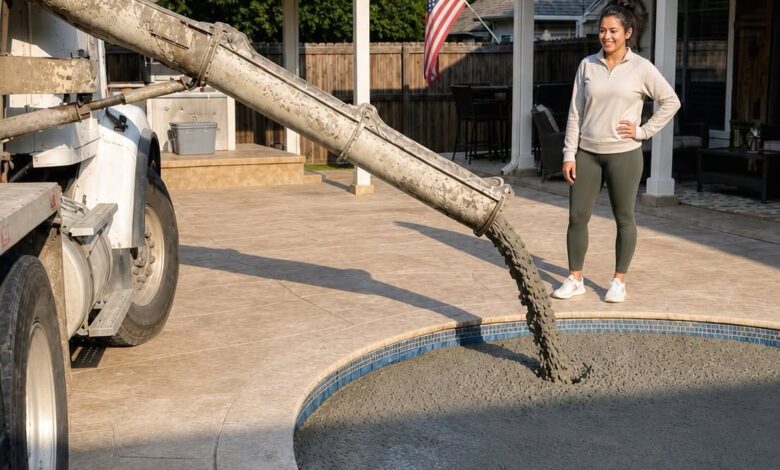
The crack in the pool wasn’t just in the concrete. It was in the heart of a family. One moment, their gathering place was whole; the next, it was ruined. Blame simmered. Voices almost rose. But instead of an explosion, something else unfolded—photos, notes, quiet conversations, an apology, and a choice that changed eve… Continues…
They could have let anger define the moment. The pool held years of laughter, late-night talks, and childhood summers, and seeing it damaged felt like a betrayal. Yet rather than rushing into accusations, they slowed down. They photographed every crack, wrote down timelines, saved messages, and gathered repair estimates. This careful record gave them something solid to stand on when emotions felt anything but solid.
With the facts clear, real conversations became possible. An apology came—not dramatic, not perfect, but honest. Responsibility was acknowledged, and that alone eased some of the tension. Insurance options, repair plans, and professional advice followed. When the pool was finally restored, it was more than a construction project completed. It marked a decision to value relationships over rage, clarity over chaos, and healing over winning. The surface of the water was new, but what it reflected was hard-earned peace.
Repairing a shared space begins with recognizing that the loss is not entirely physical. The pool was a place where the family had spent time together. Its damage interrupted routines and brought memories into an argument that might otherwise have been treated as a straightforward question of concrete and cost. Acknowledging that emotional weight made patience more difficult, but also more necessary.
The photographs and notes created a way to discuss the problem without relying entirely on competing recollections. A record does not remove emotion; it gives people a common point of reference when emotion makes conversation harder. Instead of debating every detail from memory, they could return to something that had been preserved.
Repair estimates served a similar purpose. They helped turn an overwhelming sense that everything had been ruined into a set of questions that could be addressed. What work was needed? Which decisions had to come first? What information was still missing? A large problem became easier to approach when it was broken into specific steps.
The apology mattered because it acknowledged an impact rather than asking the family to pretend nothing important had happened. An apology cannot perform the repair itself, but it can change the atmosphere in which practical decisions are made. It allows responsibility to become part of the conversation instead of the subject everyone is trying to avoid.
Patience did not mean accepting the damage as unimportant. It meant choosing a pace that made a useful outcome more likely. There was still a need to understand the problem, consider options, and follow through. Calmness was valuable because it helped that work continue, not because it required anyone to stop caring.
When the space became usable again, the family could return to something familiar with a different understanding of what had protected it. The repair restored a place to gather. The process showed that a painful conflict could be handled without allowing it to consume every relationship around it.