How Schedule Changes Sparked Unverified Reports About Trumps Health
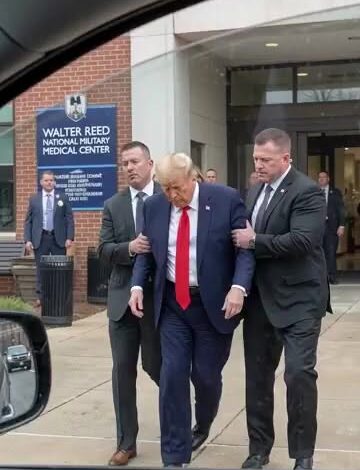
In today’s fast-moving digital environment, even small changes in the public schedule of a high-profile figure can quickly become the subject of widespread discussion. This reality became evident once again when recent reports and online conversations began focusing on the health of former U.S. President Donald Trump.
A series of unexpected schedule adjustments prompted speculation across social media platforms, leading to a surge in online activity. While no official confirmation supported the more dramatic claims being circulated, the situation highlighted how quickly unverified information can spread and influence public perception.
This article provides a comprehensive overview of what happened, the response from official sources, and the broader implications of how health-related information about public figures is shared and interpreted in the modern media landscape.
A Sudden Wave of Online Discussion
The situation began when social media users started sharing posts suggesting that Donald Trump had been admitted to Walter Reed National Military Medical Center. These claims were not verified at the time, yet they quickly gained traction.
A public calendar tells people when an official expects to appear. It can show that an event was postponed, moved, or omitted from an updated list. The calendar itself rarely gives a full account of the decision. A changed event and a claim about someone’s medical treatment are distinct pieces of information, and the first does little on its own to establish the second.
In this case, the mention of Walter Reed gave an otherwise vague rumor a recognizable location. Once that detail appeared in posts, people repeated it alongside their own observations about the schedule. Someone encountering one of those later posts could easily miss the uncertainty in the earlier accounts. The number of repetitions then made the claim feel familiar even though the reporting behind it had not grown stronger.
It is also possible for a series of commentators to appear to be corroborating each other when they are all referring to the same original post. A screenshot of the schedule might show that an event changed. A screenshot of somebody’s claim about a hospital would show only that someone made the claim. Neither tells the reader whether the two things were connected.
Timing is particularly important in this kind of story. A calendar capture can become outdated quickly, and a later appearance can establish only what was visible at the time of that appearance. That is why a clear timeline and an explanation of what each item actually shows are more useful than a collection of loosely related posts.
The attention surrounding the reports says much about how closely a president’s public appearances are watched. It also shows how much interpretation people can attach to a short gap in a schedule. The details that remain available for readers are the reported calendar changes, the claims made online, and the absence of confirmation for the hospital account in the material that initially circulated.
That distinction matters even after discussion moves on. Later readers may encounter a headline long after the original posts have been forgotten. Giving the claim and its verification status together makes it possible to understand why it spread and how little was established at the time.