Internet On Edge After Trump Reveals The Results Of His MRI Scan See More
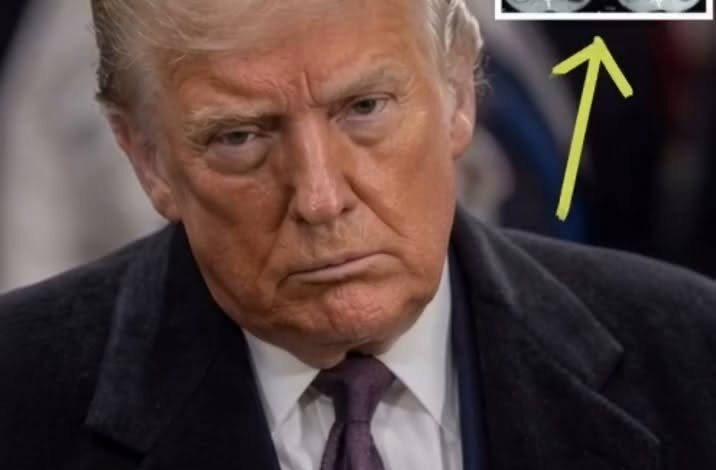
Claims about a president’s medical test results can spread across the internet within minutes, particularly when a post uses urgent language and offers only part of the story. An MRI is a sophisticated imaging test, but the fact that one was performed does not explain why it was ordered, what part of the body was examined, or what a doctor concluded.
Magnetic resonance imaging uses a strong magnetic field and radio waves to create detailed pictures of organs and tissues. Physicians order MRIs for many reasons, including routine follow-up, evaluation of pain, or closer examination after another test. A result must be interpreted in the context of symptoms, medical history, and a clinician’s assessment. A social media caption cannot provide that clinical context.
Presidential health attracts special attention because the office carries enormous responsibility. The public has a legitimate interest in knowing whether a president can perform the duties of the job. At the same time, medical records remain personal, and official disclosures often summarize findings rather than release every clinical detail. That balance has generated debate under administrations of both parties.
When a public figure discusses an MRI, readers should look for the exact statement and any accompanying letter from a physician. The date of the test, the reason provided, and the wording of the medical conclusion are more useful than interpretations from unnamed online accounts. If the post does not link to a primary statement, its claim should remain provisional.
Images and short videos can create an impression of certainty that the available evidence does not support. A clip of Donald Trump speaking at one event may be paired with a caption about a different date. Old footage can resurface whenever a new health rumor begins. Reverse image checks, official schedules, and full recordings help establish whether the material is current.
Responsible reporting avoids diagnosing someone from appearance or movement. Doctors do not reach conclusions from a few seconds of video, and viewers should not either. Terms such as “normal,” “abnormal,” or “concerning” have specific meanings that depend on the radiologist’s report and the treating physician’s explanation.
The strongest public information includes clear attribution, direct quotations, and enough detail to distinguish a confirmed finding from speculation. Independent medical experts may explain what a test generally does, but they cannot interpret an individual result without access to the records.
An MRI disclosure may ultimately be routine, significant, or somewhere between those possibilities. Until a complete and authenticated statement is available, the sound approach is to avoid filling gaps with assumptions. Public interest is best served by precise facts, transparent sourcing, and patience while verified details emerge.
A careful account can still explain why the disclosure matters without pretending to know more than the medical record shows. It can identify the test, quote the physician, describe any effect on the president’s schedule, and note unanswered questions. That gives readers useful information while allowing doctors to make medical judgments. It also prevents ordinary variations in movement, speech, or appearance from becoming a substitute for evidence. In a polarized environment, applying the same standard to every officeholder is one of the best ways to keep legitimate questions about presidential health from turning into rumor.